

Search engine optimization is not only about building backlinks, publishing content, and improving rankings. One often overlooked issue that can quietly damage your rankings is a high spam score. Many website owners spend months creating content and optimizing pages, yet their websites struggle to rank. One common reason behind this is a poor spam profile.
Understanding how to reduce spam score of website is crucial for maintaining trust with search engines and protecting your SEO efforts. A high spam score may signal to search engines that your website has suspicious links, poor-quality content, or manipulative SEO practices.
In this guide, we’ll walk through what spam score actually means, why it matters, and the most effective methods to lower it safely.
What is Website Spam Score?
Before learning how to reduce spam score of website, it is important to understand what the metric actually represents.
Spam score is a measurement developed by SEO tools to estimate the likelihood that a website might be penalized or considered suspicious by search engines. It is usually calculated based on several signals such as:
- Low-quality backlinks
- Duplicate or thin content
- Suspicious domain signals
- Unnatural link patterns
- High outbound links to poor-quality websites
A higher percentage generally indicates a greater risk that search engines may treat your site as spammy.
However, spam score is not a direct ranking factor used by search engines. Instead, it is a diagnostic indicator that helps SEO professionals identify potential problems.
Why a High Spam Score Can Harm Your Website
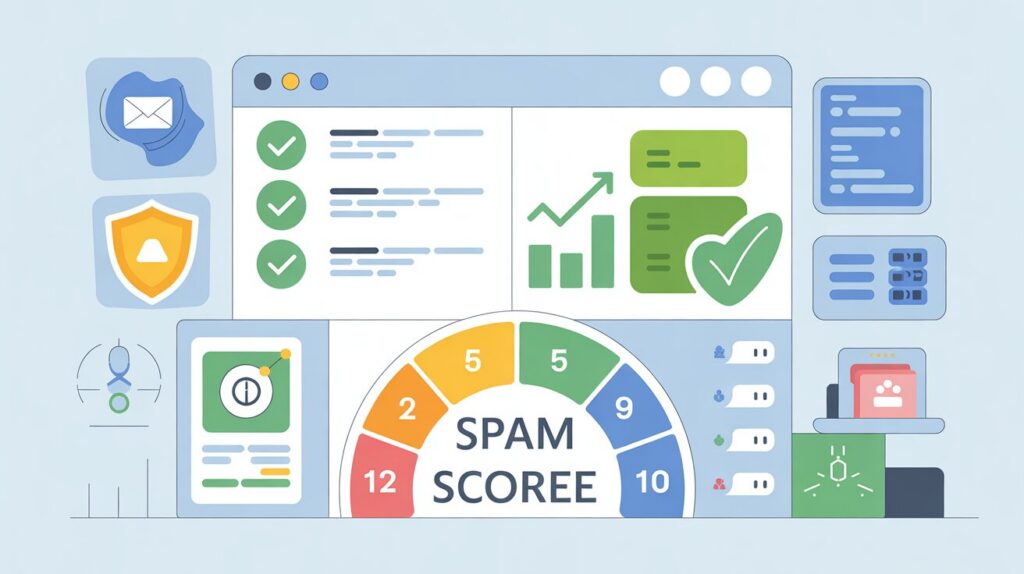
Many website owners ignore spam score until their traffic suddenly drops. Knowing how to reduce the spam score of a website early can prevent serious SEO damage.
A high spam score can lead to several problems:
Loss of Search Engine Trust
Search engines prioritize websites that appear trustworthy. If your site is associated with spammy domains or manipulative tactics, your credibility drops.
Lower Keyword Rankings
Even well-optimized pages may struggle to rank if the domain’s overall reputation is poor.
Manual Penalties Risk
Extreme cases of spammy backlinks or content may lead to manual penalties from search engines.
Poor Brand Reputation
Users who encounter spam-like pages, excessive ads, or irrelevant links may lose trust in your brand.
This is why managing your spam score should be part of your regular SEO maintenance.
How to Reduce Spam Score of Website (Step-by-Step)
If your SEO tool shows a high percentage, don’t panic. There are several proven methods that can gradually bring the score down. Learning how to reduce spam score of website starts with analyzing the root causes and fixing them systematically.
Let’s explore the most effective techniques.
Audit Your Backlink Profile
The first step in how to reduce spam score of website is identifying harmful backlinks.
Many websites accumulate low-quality backlinks over time from:
- Spam directories
- Automated link building tools
- Irrelevant blog comments
- Private blog networks (PBNs)
Use SEO tools to export your backlink list and review them carefully.
Look for links that come from:
- Sites with extremely high spam score
- Irrelevant industries
- Foreign language websites unrelated to your niche
- Sites with thin or copied content
Once identified, these links should be addressed through removal or disavow.
Remove or Disavow Toxic Links
After identifying harmful backlinks, the next step in how to reduce spam score of website is removing them.
There are two main approaches:
1. Contact Website Owners
Politely request removal of spammy links pointing to your website.
2. Use Disavow Tool
If removal is not possible, create a disavow file listing the domains you want search engines to ignore.
This tells search engines that you do not want to be associated with those links.
However, disavow should be used carefully and only for clearly harmful links.
Improve Content Quality
Content quality plays a big role in how to reduce spam score of website because search engines evaluate pages for originality, depth, and usefulness.
Signs of low-quality content include:
- Thin articles under 300 words
- Duplicate or copied content
- Keyword stuffing
- Automatically generated text
To fix this:
- Expand thin pages
- Remove duplicate content
- Update outdated information
- Focus on solving user problems
Publishing well-researched and helpful content improves your website’s credibility.
Reduce Excessive Outbound Links
Another overlooked factor in how to reduce spam score of website is excessive linking to low-quality external sites.
Some websites unintentionally link to spam domains through:
- Paid links
- User comments
- Guest posts
- Sidebar widgets
Review your outbound links and remove those that point to suspicious or irrelevant websites.
When linking externally, ensure the site is authoritative and relevant to your content.
Fix Technical SEO Issues
Technical problems can also contribute when analyzing how to reduce spam score of website.
Common technical signals that may raise suspicion include:
- Broken pages
- Too many redirects
- Poor site structure
- Duplicate meta tags
- Slow loading speed
Perform a technical SEO audit to identify these issues and correct them.
A well-structured website signals professionalism and reliability to search engines.
Avoid Automated Link Building
Many beginners unknowingly increase spam score by using automated SEO tools.
These tools often create thousands of low-quality links from irrelevant websites.
When studying how to reduce spam score of website, one rule is simple: avoid shortcuts.
Instead of automated tools, focus on:
- Natural outreach
- Guest blogging on real websites
- Digital PR
- Content marketing
Quality links always outperform quantity.
Maintain a Natural Anchor Text Profile
Anchor text manipulation is another red flag.
If most backlinks use exact-match keywords, search engines may interpret it as manipulation.
A natural link profile should include:
- Brand name anchors
- Generic anchors (click here, read more)
- Naked URLs
- Partial keywords
Balancing anchor text helps maintain a healthy backlink profile.
Remove Spam Comments
User-generated spam can also increase your risk.
Comment sections often attract bots that post irrelevant links.
Part of how to reduce spam score of website is moderating these areas carefully.
You can prevent comment spam by:
- Enabling moderation
- Using CAPTCHA systems
- Blocking suspicious keywords
- Removing links in comments
This keeps your website clean and trustworthy.
Monitor Your Website Regularly
Spam score is not a one-time issue. It changes as your backlink profile evolves.
Therefore, an essential step in how to reduce spam score of website is regular monitoring.
Set a schedule to review:
- New backlinks
- Spam score reports
- Broken links
- Content updates
Consistent monitoring allows you to detect issues before they become serious problems.
Long-Term SEO Practices That Keep Spam Score Low
After implementing fixes, maintaining healthy SEO habits is key.
Here are practices that help keep spam score under control:
Focus on Authority Links
Earn links from:
- Industry blogs
- News websites
- Trusted directories
- Educational sites
High-quality backlinks improve domain reputation.
Create Valuable Content
Content that genuinely helps users attracts natural backlinks.
Examples include:
- Guides
- Case studies
- Tutorials
- Industry insights
Build Brand Mentions
Brand signals help search engines recognize legitimacy.
Encourage mentions across social media, blogs, and reputable platforms.
Avoid Black Hat SEO
Techniques like link farms, cloaking, and hidden text may produce short-term results but damage long-term SEO.
Final Thoughts
Managing spam score is an important yet often ignored aspect of SEO. High spam signals can reduce your website’s credibility and limit your ability to rank well in search engines. Understanding how to reduce spam score of website requires a combination of backlink auditing, content improvement, technical optimization, and responsible link building.
By consistently monitoring your website and focusing on quality rather than shortcuts, you can maintain a strong and trustworthy domain reputation.
Frequently Asked Questions
1. Why does my website’s spam score increase, and how can I fix it?
Spam score usually increases due to toxic backlinks, duplicate or low-quality content, spam comments, and links from irrelevant or suspicious websites. To fix this, perform a backlink audit, remove or disavow harmful links, update thin or duplicate content
2. How long does it take to reduce the spam score?
Reducing spam score usually takes several weeks to a few months. Once harmful links are removed or disavowed, search engines require some time to crawl your site again and evaluate the changes.
3. Can a high spam score cause Google penalties?
Spam score itself is not a direct ranking factor. However, the issues that cause a high spam score—such as toxic backlinks or low-quality content—can lead to algorithmic or manual penalties.
4. Should I remove every backlink from high spam websites?
Not always. Some links from high-spam domains may still be harmless. It’s best to review each link individually and only remove or disavow those that appear clearly manipulative or irrelevant.
5. Can an SEO agency like seobusinesscompany help reduce spam score?
Yes. Professional SEO agencies such as seobusinesscompany can perform detailed backlink audits, identify toxic links, and create safe disavow strategies. They also help improve content quality and technical SEO to maintain a healthier website reputation

SEO Business Company is a trusted digital marketing partner in India, delivering result-driven SEO, PPC, and AI-powered strategies.We help businesses boost visibility, build credibility, and achieve sustainable growth in the competitive digital landscape.